Moving to South Shields: The Complete Guide
Thinking about moving to South Shields? House prices, schools, the Metro, beaches, Ocean Road, and what life is really like in this seaside town.
South Shields is one of the North East's most distinctive towns, a proper seaside place with a strong community, good transport links, and house prices that still make sense. If you are thinking about making the move, here is what you need to know.
House Prices
South Shields is significantly more affordable than many comparable coastal towns. According to recent data, the average house price sits around £156,000–£175,000, compared to the Newcastle-wide average of roughly £209,000. Terraced houses average around £154,000, semi-detached properties around £208,000, and flats around £97,000.
The most sought-after areas include Westoe Village (Victorian terraces, tree-lined streets), Cleadon Park, and the streets around South Marine Park with sea views. More affordable options can be found in Simonside, Whiteleas, and Biddick Hall. Prices have been rising steadily, South Tyneside saw an 8.3% increase over the twelve months to December 2025.
Property moves faster than you might expect, particularly family homes near good schools and the seafront. If you are serious, work with a local agent and be ready to act.
Transport
South Shields has excellent public transport for a town of its size.
Metro: South Shields station is the eastern terminus of the Green line. The journey to Newcastle Monument takes approximately 28 minutes, with services running every 10–12 minutes at peak times. The Metro also connects to Sunderland, Newcastle Airport, and the coast.
Shields Ferry: The cross-Tyne ferry connects South Shields to North Shields in just 7 minutes, running half-hourly from Monday to Saturday. It connects with the North Shields Metro station, giving you an alternative route to the coast or into Newcastle.
Buses: Regular services run to Newcastle, Sunderland, and across South Tyneside. The new transport interchange, opened in 2019, brings Metro, bus, and ferry connections together in one place.
Driving: The A19 and Tyne Tunnel provide quick access to the A1 and wider motorway network. Newcastle city centre is about 20 minutes by car outside peak times.
Schools
South Shields has a good spread of schools across all ages.
Primary schools include Mortimer Primary School (rated Good by Ofsted, around 600 pupils), Sea View Primary School, and St Bede's Catholic Primary School (rated Outstanding). Several other primaries hold Good ratings.
Secondary schools include Harton Academy (rated Good by Ofsted), St Wilfrid's RC College, and Mortimer Community College. South Tyneside's secondary schools perform well, 100% are rated Good or Outstanding, well above the national average of 86%.
Sixth form and further education: South Tyneside College offers a wide range of vocational and academic courses, and many students also travel into Newcastle by Metro for sixth-form colleges there.
Catchment areas matter. Check specific boundaries on the South Tyneside Council website before buying.
Beaches and Seafront
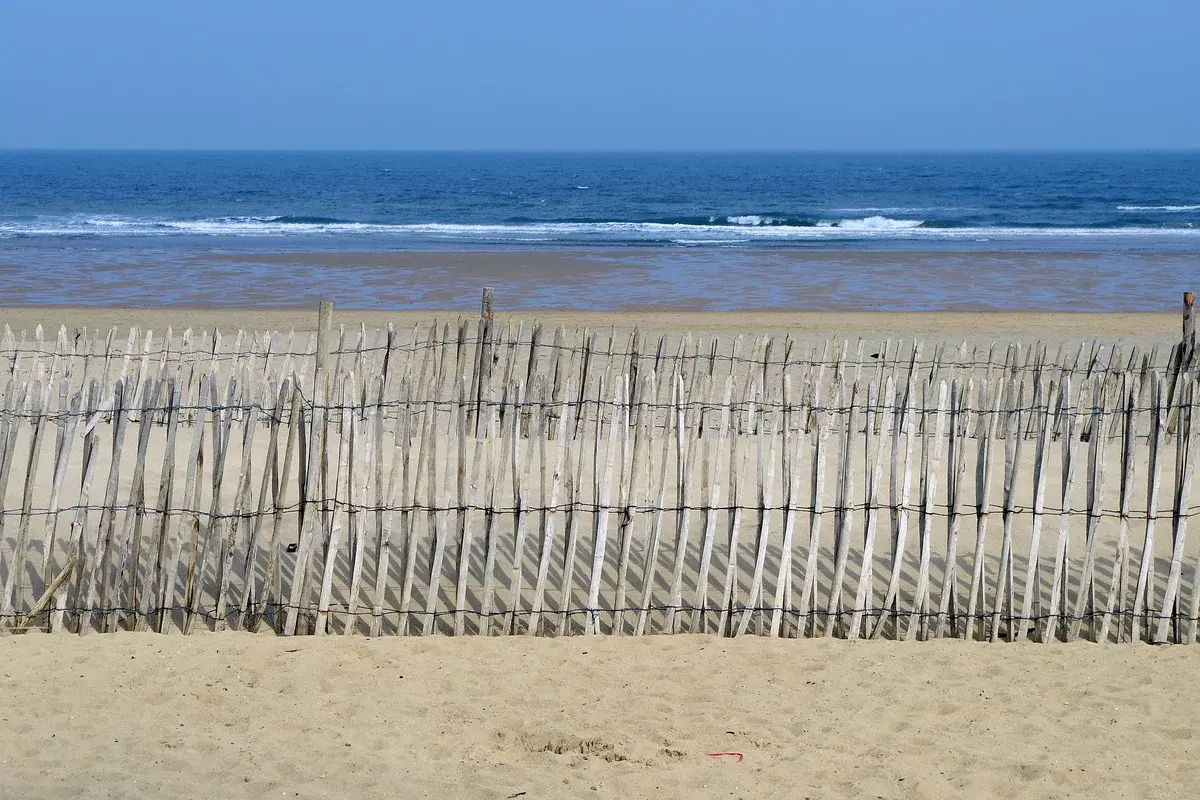
This is one of South Shields' strongest cards. The town has genuine, proper beaches, not a token stretch of shingle, but wide expanses of golden sand.
Sandhaven Beach is the main beach, stretching south from the pier to Trow Point. It is backed by the seafront promenade and is well served by cafes and facilities. Littlehaven Beach sits to the north, a quieter option that is also dog-friendly year-round. Further south, Marsden Beach and the dramatic limestone sea stacks at Marsden Rock offer something wilder.
The seafront itself is a genuine asset, the promenade, South Marine Park, Bents Park (which hosts outdoor concerts in summer), and the stretch of independent cafes and ice cream shops along Sea Road make it one of the best seafronts in the North East.
Ocean Road
Ocean Road is the beating heart of South Shields' food scene and one of the most distinctive high streets in the region. Known locally as the "curry mile", it is home to a remarkable concentration of South Asian restaurants, including Colmans Fish and Chips, Cafe India, Spice Garden, and Zeera Indian Cuisine.
Beyond the restaurants, Ocean Road has independent shops, cafes, and a genuine multicultural character that gives South Shields a flavour quite different from other North East towns. It is a proper working high street, not a heritage attraction.
Community
South Shields has a strong sense of identity. It is the finishing point of the Great North Run, home to South Shields FC (a club with a passionate following in the National League North), and the birthplace of several notable figures. The town's maritime heritage, from the Volunteer Life Brigade to the old docks at Mill Dam, runs deep.
The Word, the National Centre for the Written Word on the seafront, is a striking modern library and cultural centre. South Marine Park, with its boating lake, bandstand, and play areas, has been a gathering place for over a century.
Community events run throughout the year, from the South Tyneside Festival and Bents Park concerts to the Mouth of the Tyne Festival in nearby Tynemouth.
What to Expect
South Shields is a town with genuine character. The combination of beaches, affordable housing, good Metro connections, and a distinctive food scene is hard to match elsewhere in the region. It is more affordable than Tynemouth or Whitley Bay, with arguably better beaches and a more diverse community.
The downsides? The town centre has suffered the same high-street challenges as everywhere else, though Ocean Road remains resilient. Some areas are more deprived than others, do your research on specific streets. And the Metro journey to Newcastle, while reliable, is not the fastest.
But for most people who make the move, South Shields quickly feels like home, and the beach on your doorstep never gets old.
Planning a move to South Shields? Explore our guides for in-depth recommendations on restaurants, cafes, pubs, beaches, and more.
Never miss what’s on
Join the weekly South Shields.org digest — the best events, news and local tips, straight to your inbox. Free, one email a week.
What's On
An Afternoon with Ann Cleeves
1:00 PM - 2:00 PM · The Word, National Centre for the Written Word, Market Place, South Shields, NE33 1JF
Shipwrecks and Smugglers Family Trail at Souter Lighthouse
11:00 AM - 4:00 PM · Souter Lighthouse and The Leas, Coast Road, Whitburn, Tyne & Wear, SR6 7NH
South Shields Market
9:00 AM - 3:00 PM · Market Place, South Shields, NE33 1JF