Bede's World and Jarrow: A Day Trip from South Shields
A complete guide to visiting Jarrow Hall, St Paul's Church, and the Anglo-Saxon heritage sites just a short Metro ride from South Shields.
Jarrow sits just two miles west of South Shields and is home to one of the most important Anglo-Saxon heritage sites in Europe. The Venerable Bede -- monk, scholar, and the father of English history -- spent most of his life here in the seventh and eighth centuries, and the monastery where he wrote his great works still stands. A day trip to Jarrow from South Shields is easy by Metro, rewarding for all ages, and makes a perfect complement to the Roman heritage at Arbeia.
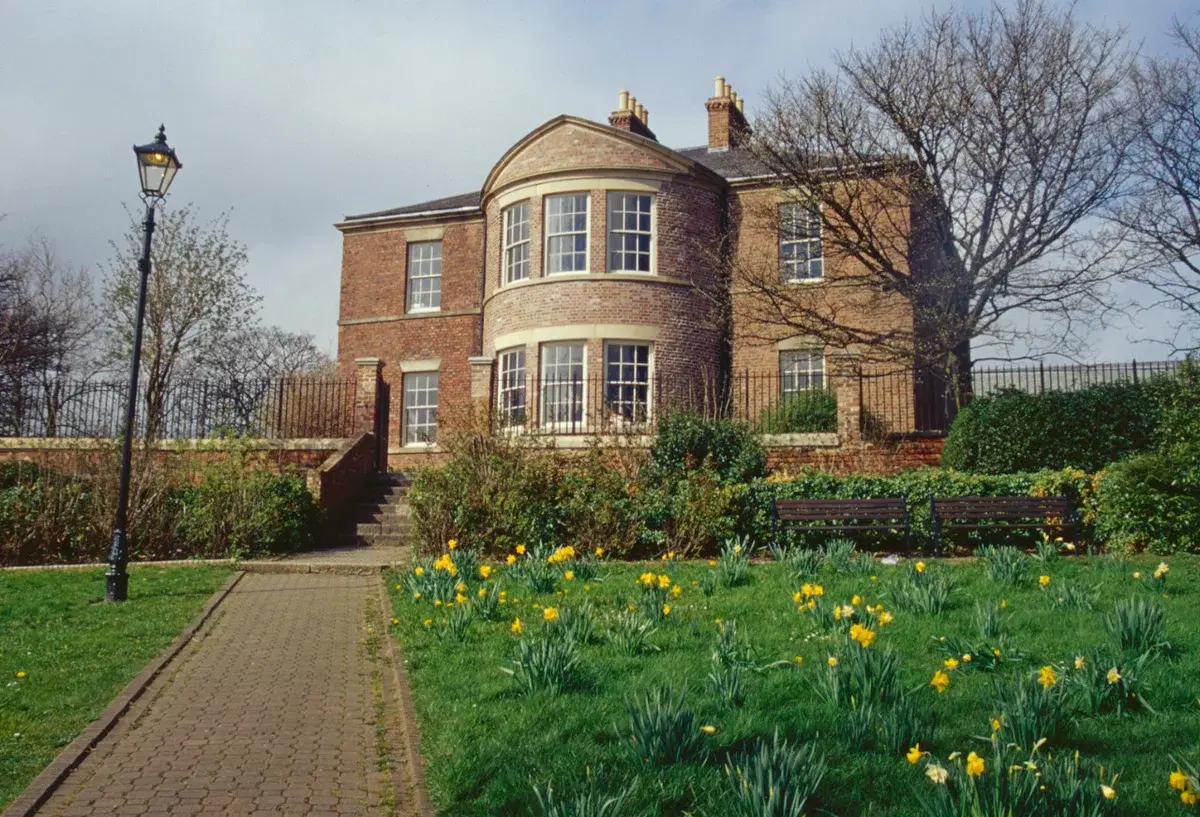
Jarrow Hall (formerly Bede's World)
Jarrow Hall is the centrepiece of any visit. Set across 11 acres, the site combines a museum dedicated to the life and legacy of Bede with a reconstructed Anglo-Saxon village, working farm, and extensive grounds.
The Bede Museum
The museum explores the world Bede inhabited -- seventh-century Northumbria at the edge of the known world. Displays cover the founding of the twin monastery at Monkwearmouth and Jarrow, the scriptorium where monks produced illuminated manuscripts, and Bede's own extraordinary output. His Ecclesiastical History of the English People, completed in 731, remains one of the most important primary sources for early English history.
The Anglo-Saxon Farm and Village
Outside the museum, reconstructed Anglo-Saxon buildings give a tangible sense of how ordinary people lived in Bede's time. The farm is home to rare-breed and rescued animals including Tamworth pigs, Dexter cattle, and various poultry. Children can get close to the animals and explore the thatched buildings.
Opening Hours and Admission
Jarrow Hall is open Thursday to Sunday during school term time, and Tuesday to Sunday during school holidays (Easter, summer, and October half term). Hours are typically 10am to 4pm. The site closes for winter from December to mid-February.
General admission acts as an annual pass, valid for a full year from your first visit. Children aged four and under enter free. Max Card holders receive a discount. Check the official website for current ticket prices.
Best for: Your Jarrow Hall ticket is valid for a whole year, so you can return as often as you like. The site runs festivals and special events throughout the season -- Anglo-Saxon re-enactment weekends are particularly popular with families.
St Paul's Church
A short walk from Jarrow Hall stands St Paul's Church, one of the oldest churches in England. The chancel dates from AD 681 and is a direct survival from Bede's own monastery -- he would have worshipped in this very space.
The Oldest Stained Glass in the World
The church contains fragments of seventh-century stained glass, the oldest surviving stained glass in the world. Benedict Biscop, the monastery's founder, brought glass and glaziers from France to adorn his new churches at Jarrow and Monkwearmouth, introducing stained glass to Britain for the first time. The fragments were excavated at the monastery site in the 1960s and are now displayed in three leaded panels in the chancel.
The Dedication Stone
Built into the tower wall is a dedication stone recording in Latin the consecration of the church on 23 April AD 685. It is the oldest church dedication stone in England.
The Monastery Ruins
The ruins of the medieval monastery lie between the church and Jarrow Hall. Interpretation panels explain the layout of the monastic buildings, and excavated sections of wall give a sense of the scale of the complex. The site is part of the twin monastery of Monkwearmouth-Jarrow, which has been nominated for UNESCO World Heritage Status.
How to Get There from South Shields
By Metro
The easiest way to reach Jarrow from South Shields is the Tyne and Wear Metro. Take any Metro from South Shields station towards Newcastle -- Bede station is just two stops and takes around five minutes. From Bede station, Jarrow Hall is a 10-minute walk along Springfield Road and Church Bank.
Alternatively, Jarrow station (three stops from South Shields) is slightly further from the heritage sites but closer to Jarrow town centre if you want to combine your visit with lunch or shopping.
By Bus
The number 526 and 527 buses run between South Shields and Jarrow. The journey takes around 15 minutes depending on the route.
By Car
Jarrow Hall is signposted from the A19 and A185. The postcode for sat nav is NE32 3DY. Free parking is available on site.
On Foot or by Bike
The walk from South Shields to Jarrow along the riverside path takes around 40 minutes and is flat throughout. The route follows the south bank of the Tyne and connects with National Cycle Network Route 1.
What Else to See in Jarrow
- Jarrow town centre -- the Viking Centre shopping precinct and the traditional market (held on Tuesdays and Saturdays) are a short walk from Jarrow Metro station
- The Venerable Bede pub -- on the High Street, a convenient stop for lunch
- Palmer Memorial Park -- a pleasant green space near the town centre with a playground and bowling green
Planning Your Day
A comfortable day trip from South Shields might look like this:
- Take the Metro from South Shields to Bede station (5 minutes)
- Visit Jarrow Hall -- allow 90 minutes to 2 hours for the museum, farm, and grounds
- Walk across to St Paul's Church and the monastery ruins (30 minutes)
- Head into Jarrow for lunch, or return to South Shields and visit The Maltings on Claypath Lane for a pint from Jarrow Brewery's own tap house
- If time allows, visit Arbeia Roman Fort back in South Shields to bridge the gap from Roman to Anglo-Saxon history in a single day
Best for: Combining Arbeia Roman Fort (Roman, second to fifth century) with Jarrow Hall (Anglo-Saxon, seventh century onwards) gives you over a thousand years of North East history in a single day trip -- and both are within easy reach of the Metro.
For more heritage days out from South Shields, read our guide to Arbeia Roman Fort, our history of South Shields, and our Catherine Cookson Trail guide.
Never miss what’s on
Join the weekly South Shields.org digest — the best events, news and local tips, straight to your inbox. Free, one email a week.
What's On
Scott Bennett: Blood Sugar Baby
7:30 PM · The Customs House, Mill Dam, South Shields, NE33 1ES
South Tyneside Sings: Food Glorious Food
6:00 PM - 7:00 PM · The Word, National Centre for the Written Word, Market Place, South Shields, NE33 1JF
Oil Painting Workshop with Theresa Poulton in Jarrow
6:00 PM - 8:00 PM · Red Hackle Pub, Perth Avenue, Jarrow, NE32 4HT